In the expansive and often misunderstood corners of internet culture, sissy captions have emerged as a unique and complex form of digital expression. These stylized images, overlaid with provocative and directive text, are far more than simple memes; they represent a specific genre within adult content and niche communities focused on gender exploration, submission, and fantasy. This phenomenon weaves together elements of visual art, erotic storytelling, psychological conditioning, and identity play, creating a powerful medium for those who engage with it. For participants and observers alike, understanding sissy captions provides a window into the dynamics of fantasy, the construction of online personas, and the search for belonging within digital spaces. This exploration will dissect the multifaceted layers of meaning, community, and personal significance behind this compelling online art form.
🎭 The Foundational Aesthetic and Visual Language
- Repurposed imagery from mainstream media and adult content.
- Consistent use of bold, contrasting fonts for maximum readability.
- High-gloss, hyper-feminine, and often exaggerated portrayals of women.
- A visual style rooted in early internet meme and photoshop culture.
- Recurring symbolic motifs like pink, frills, locks, and chastity devices.
- Juxtaposition of “innocent” imagery with commanding, transformative text.
- Designed for rapid consumption and immediate psychological impact.
- Often utilizes a series format to build a narrative or training arc.
- The composition prioritizes the text message as the central focus.
- Color psychology is employed, with pink dominating to signal femininity.
- Imagery frequently depicts a before-and-after or transformation theme.
- The aesthetic reinforces a clear power dynamic between viewer and directive.
- Visual clarity is key, even on small mobile screens.
- A deliberate blend of allure and instruction within a single frame.
- The style creates a recognizable “brand” for the genre.
📝 Decoding the Core Narrative and Thematic Constructs
- Central themes revolve around forced feminization and loss of masculinity.
- Narratives often depict an irreversible or inevitable transformation.
- Common storylines involve humiliation, submission, and servicing others.
- The text directly addresses the viewer, breaking the fourth wall.
- Themes of addiction, obsession, and losing control to desires are prevalent.
- Captions construct a fantasy world with its own rules and hierarchies.
- Story arcs may guide the viewer from curiosity to full “sissification.”
- Recurring motifs of training, obedience, and permanent change.
- The narrative frames the depicted identity as a secret, true self.
- Themes of inferiority compared to “real” men or dominant figures.
- Stories often involve being controlled by a dominant woman or man.
- The fantasy narrative provides an escape from traditional gender roles.
- It creates a safe space for exploring taboo desires through fiction.
- The text uses imperative language to create immediacy and pressure.
- Narratives are personalized through the use of “you” and “your.”
🧠 Psychological Underpinnings and Engagement Drivers
- Functions as a form of erotic hypnosis or psychological conditioning.
- Taps into concepts of arousal through submission and consensual humiliation.
- Provides a structured fantasy for exploring gender fluidity safely.
- Allows for temporary dissociation from one’s everyday identity.
- The repetitive nature aims to reinforce specific desires and self-concepts.
- Engages with the psychology of shame and its transformation into arousal.
- Offers a sense of community and belonging for isolated individuals.
- Creates a controlled environment for engaging with kink and BDSM themes.
- Can serve as a coping mechanism or outlet for unresolved feelings.
- The medium allows for anonymous exploration without real-world risk.
- Taps into the human desire for transformation and reinvention.
- Provides clear, directive commands that reduce anxiety or uncertainty.
- Engages the reward centers through fantasy fulfillment.
- Allows for the externalization of internal conflicts about gender.
- The format is highly accessible and requires minimal commitment.
🌐 Community Dynamics and Social Ecosystem
- Thrives on niche forums, dedicated subreddits, and private Discord servers.
- Content creators often engage directly with their audience for requests.
- Communities establish shared terminology, etiquette, and hierarchies.
- New members are often guided through curated “starter” caption series.
- A strong culture of feedback, praise, and requests between users and creators.
- Communities provide validation and normalization of shared fantasies.
- They offer a support network for individuals questioning their gender.
- Anonymity is fiercely protected and is a cornerstone of participation.
- There is often a mentorship dynamic between experienced and new members.
- Communities self-police to maintain focus and exclude harmful actors.
- They create a sense of shared secrecy and in-group belonging.
- Events like caption contests or themed weeks foster engagement.
- The ecosystem includes creators, consumers, discussants, and moderators.
- Cross-promotion with related kink communities is common.
- A blend of competition and collaboration among content creators.
🛠️ The Creative Process and Content Creation
- Creators source base images from stock photos or cropped media.
- Specialized software like Photoshop or GIMP is used for editing.
- A strong understanding of the genre’s tropes and audience expectations is key.
- The creative process blends writing erotic micro-fiction with graphic design.
- Successful creators develop a recognizable stylistic or thematic signature.
- Testing different captions for audience engagement is common practice.
- Ideas are often crowdsourced from community suggestions and trends.
- Creators must navigate copyright issues with sourced imagery.
- The technical skill ranges from simple text overlays to complex composites.
- Writing must be concise, impactful, and aligned with psychological triggers.
- Balancing repetition of successful formulas with innovation is a challenge.
- Creators often manage multiple series or “universes” simultaneously.
- Time investment varies from quick edits to elaborate, narrative-driven sets.
- The process involves constant iteration based on comments and metrics.
- Some creators treat it as a hobby, while others may monetize content.
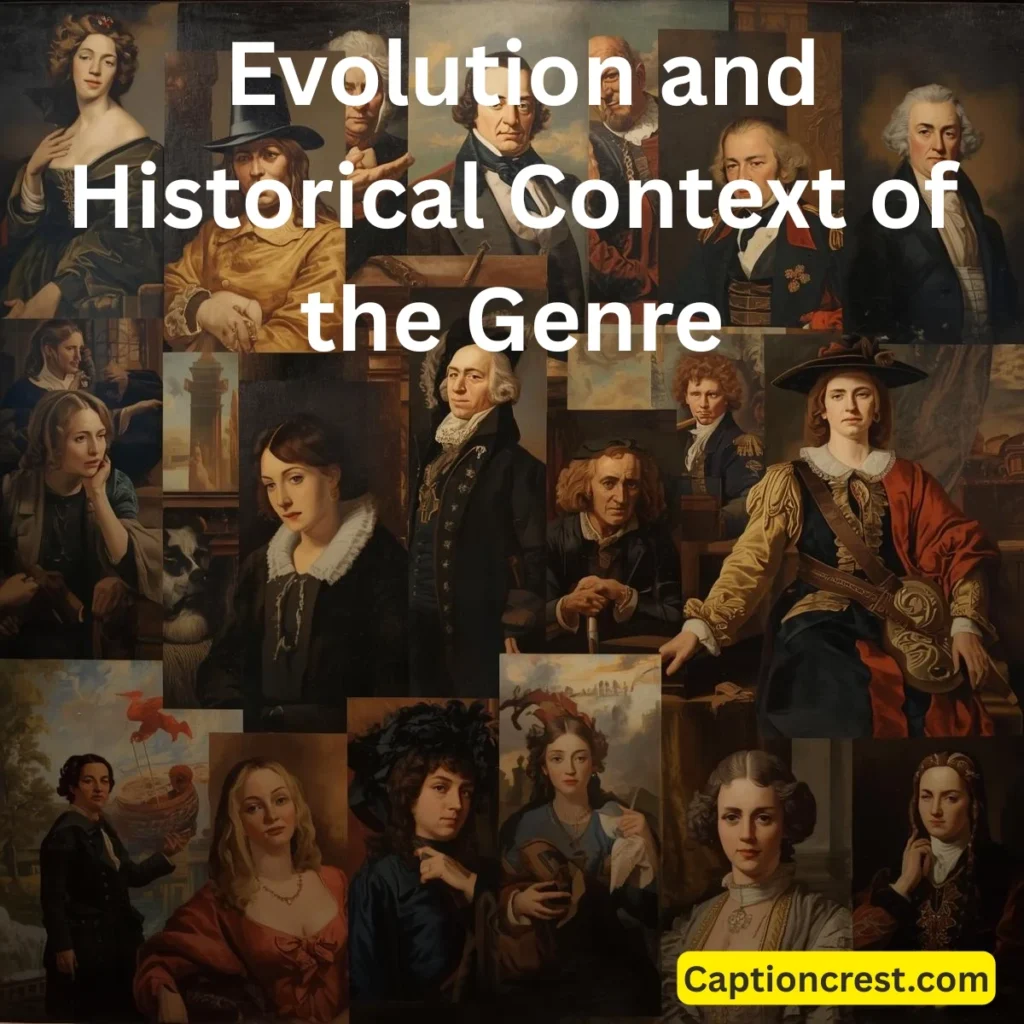
🔄 Evolution and Historical Context of the Genre
- Origins traceable to early 2000s internet forums and Yahoo groups.
- Evolved alongside broader internet meme and image macro culture.
- Early content was text-heavy, often on simple, monochrome backgrounds.
- The rise of high-speed internet allowed for more complex, image-focused captions.
- Influenced by the visual language of BDSM and fetish art.
- The genre professionalized with the advent of dedicated blogging platforms.
- Tumblr’s rise and subsequent adult content purge was a major shift.
- Reddit became a central hub, fragmenting into numerous specialized subreddits.
- The aesthetic has become more polished and visually coherent over time.
- Themes have expanded from purely erotic to include more identity-focused content.
- The community’s language has evolved to be more inclusive in some spaces.
- Technological changes, like mobile browsing, influenced format and length.
- The history is largely undocumented and passed down orally within communities.
- It reflects broader societal changes in discussing gender and sexuality online.
- The genre continues to adapt to new platform policies and content restrictions.
⚖️ Ethical Considerations and Potential Risks
- The line between fantasy and harmful self-perception can be ambiguous.
- Content may reinforce negative stereotypes about femininity or submission.
- Potential for exacerbating body dysmorphia or gender dysphoria in vulnerable individuals.
- The anonymous nature can sometimes foster toxic or manipulative behaviors.
- Ethical creation involves clear framing as fantasy and consent-based play.
- Risks of addiction or over-identification with a purely fantasy-based persona.
- The genre’s relationship with real-world misogyny is complex and debated.
- Creators have a responsibility to avoid promoting self-harm or dangerous acts.
- The importance of “aftercare” resources or reminders of reality is often missing.
- Potential for plagiarism and unauthorized reposting of creator content.
- Minors accessing adult-themed material is a significant concern.
- The lack of clinical understanding means individuals may lack proper support.
- Ethical consumption involves critical engagement and maintaining perspective.
- Communities vary widely in their moderation of ethical boundaries.
- The genre exists in a legal gray area in many jurisdictions.
🚫 Common Misconceptions and External Perceptions
- Not all consumers identify as transgender or are on a transition path.
- Engagement does not automatically equate to a specific sexual orientation.
- The community is not monolithic; motivations and interpretations vary wildly.
- It is often incorrectly conflated with homosexuality by outsiders.
- The fantasy is frequently misinterpreted as a desire for real-world humiliation.
- Participants are often assumed to be weak or flawed, rather than exploring kink.
- The content is sometimes wrongly seen as promoting misogyny instead of exploring it as a fantasy.
- It is not solely a sexual fetish; for some, it’s an identity or artistic expression.
- The assumption that all participants are male is inaccurate.
- Outsiders often miss the consensual and role-play framework.
- It is frequently dismissed as “weird” internet content without deeper analysis.
- The psychological complexity and community aspects are routinely overlooked.
- Misconceptions paint all content as extreme, ignoring its wide spectrum.
- The genre is often unfairly associated with shame and pathology.
- These perceptions create stigma that prevents open discussion and understanding.
💡 The Role of Fantasy and Separation from Reality
- A core tenet for healthy engagement is maintaining this distinction.
- Captions explicitly frame scenarios as fantasy, dreams, or hypotheticals.
- The online persona is often a curated facet, not a total identity.
- The play space allows for experimentation without real-world consequences.
- This separation is what makes exploration of extreme themes possible.
- Communities often have explicit rules reminding members of this divide.
- The fantasy serves as a pressure valve or imaginative playground.
- For some, it’s a deliberate compartmentalization of desires.
- The ability to log off and return to a default identity is crucial.
- This separation is a common topic of discussion in more reflective communities.
- Blurring this line is often flagged as a potential risk factor.
- The fantasy provides control by allowing users to set boundaries digitally.
- It contrasts with real-life actions, which may be limited or different.
- Understanding this role is key to non-judgmental analysis of the genre.
- The interplay between fantasy and reality is a dynamic, personal experience.
🔍 Intersections with Gender Identity and LGBTQ+ Spaces
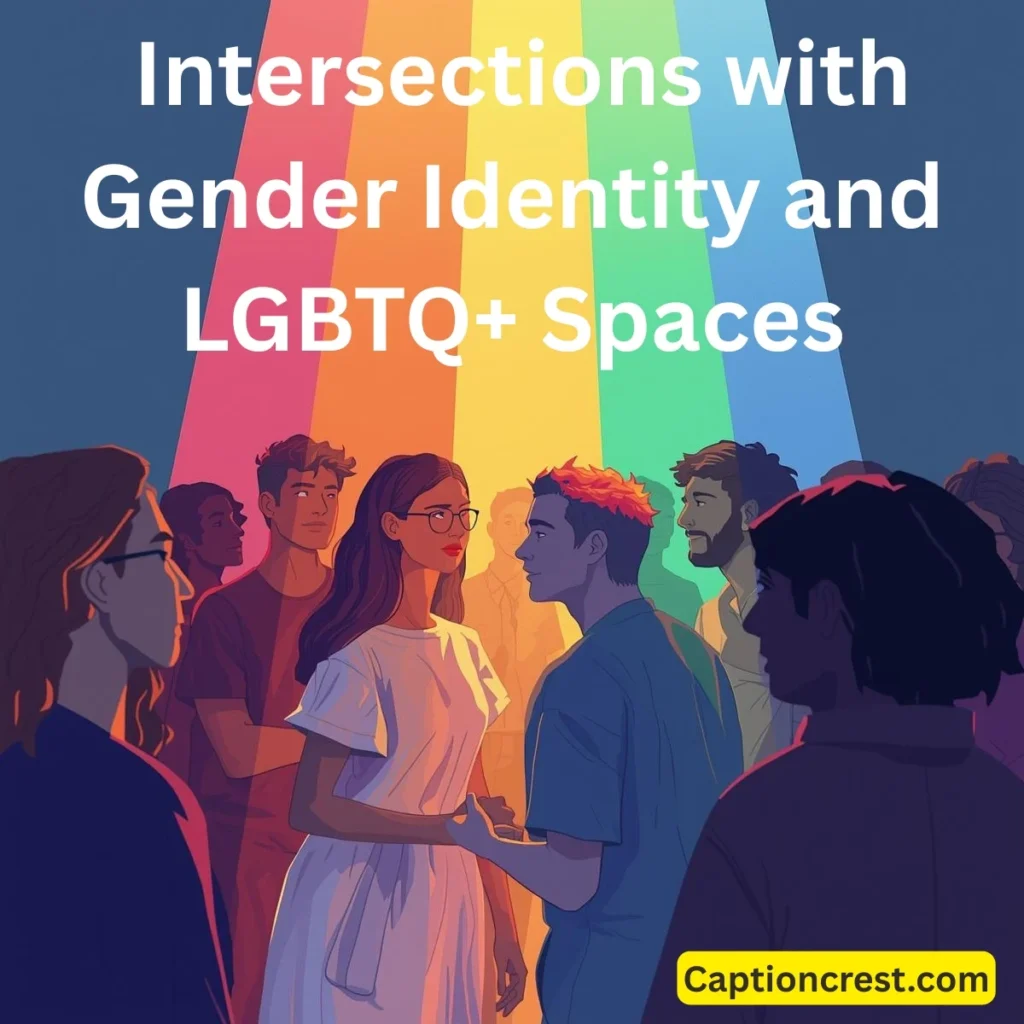
- For some, this content is a gateway to questioning their gender identity.
- It provides a low-stakes vocabulary for expressing femininity.
- The community can be a first point of contact for isolated queer individuals.
- There is significant overlap with cross-dressing and transgender communities.
- However, the kink-focused nature can create tension with mainstream LGBTQ+ spaces.
- Debates exist about inclusivity versus the fetishization of trans identities.
- Some transgender women report their early exploration involved such content.
- Others feel the genre can perpetuate harmful stereotypes about trans women.
- The relationship is complex, personal, and varies from individual to individual.
- More inclusive caption communities actively distance themselves from transphobia.
- The genre exists at the intersection of kink, gender, and sexuality.
- It challenges rigid definitions of both masculinity and femininity.
- This intersection is a growing area of discussion within the communities themselves.
- It highlights the diversity of pathways in gender exploration.
- Navigating these intersections requires nuance and respect for personal experience.
📈 Trends, Monetization, and the Creator Economy
- A shift towards higher-quality, original artwork and photography.
- The rise of interactive content, like “choose your own adventure” captions.
- Platforms like Patreon and SubscribeStar allow direct fan support.
- Some creators sell custom captions or personalized content.
- Merchandise like stickers or digital albums represents another revenue stream.
- There’s a trend towards longer, story-driven series with consistent characters.
- Audio captions and ASMR-style content are emerging formats.
- Collaborations between popular creators are becoming more common.
- The market is becoming more saturated, raising the bar for quality.
- Monetization creates a more professional but sometimes commercialized atmosphere.
- Ethical monetization involves transparent pricing and delivery of promises.
- Trends often cycle, with retro or vintage aesthetics making comebacks.
- The creator economy fosters innovation but can also lead to content homogenization.
- Data privacy is a major concern for creators on paid platforms.
- The future may involve more immersive formats like VR or interactive games.
🛡️ Safety, Privacy, and Digital Security for Participants
- The use of dedicated anonymous usernames disconnected from real-life identity.
- Strong recommendations for VPN use, especially in restrictive regions.
- Awareness of digital footprints, including image metadata and browser history.
- Caution against sharing personally identifiable information in communities.
- The risk of blackmail or exposure (“doxxing”) is a tangible threat.
- Secure, encrypted messaging apps are preferred for private conversations.
- Understanding platform privacy settings is considered essential knowledge.
- The importance of using separate email accounts for related activities.
- Regular password hygiene and two-factor authentication where possible.
- Being vigilant against phishing attempts or scams targeting the community.
- Knowing how to properly and permanently delete sensitive digital content.
- The practice of compartmentalizing devices or using secure browsing modes.
- Mental health safety involves knowing when to disengage and seek balance.
- Communities often share resources and tips for maintaining operational security.
- This culture of security is a foundational aspect of participation.
🌱 Personal Growth, Harm Reduction, and Positive Outcomes
- For some, it leads to greater self-acceptance of repressed desires.
- Can serve as a catalyst for honest conversations about sexuality with partners.
- Provides a framework for understanding consent and negotiated power dynamics.
- The creative aspect can develop graphic design or writing skills.
- Community involvement can alleviate feelings of isolation and shame.
- It can be a part of a holistic journey of gender discovery and expression.
- Encourages questioning of rigid social norms around masculinity.
- Teaches digital literacy, privacy skills, and critical consumption of media.
- For creators, it can build project management and audience engagement skills.
- Positive outcomes depend on integration, not just immersion.
- Harm reduction involves balancing online fantasy with offline reality.
- It can improve sexual self-knowledge and communication within relationships.
- Some report increased empathy through exploring submissive perspectives.
- The journey often involves moving from confusion to a more defined self-concept.
- Ultimately, its impact is defined by the individual’s framework and support system.
FAQ Section
What exactly are sissy captions?
Sissy captions are a genre of digital image macros that combine provocative imagery with overlaid text. The text typically narrates a fantasy scenario focused on forced feminization, submission, and the loss of masculine identity, directly addressing the viewer to create an immersive role-play experience.
Who creates and consumes this content?
A diverse range of individuals create and consume this content. Creators are often hobbyists within the community who have graphic design and writing skills. Consumers include people exploring gender fluidity, individuals with a feminization or submission kink, cross-dressers, and those curious about the taboo, spanning various genders and sexual orientations.
Is engaging with this content harmful?
Engagement can exist on a spectrum. As a consensual fantasy role-play for adults, it is not inherently harmful. However, potential risks include addiction, negative self-perception if fantasy blurs with reality, and social isolation. Harm reduction involves maintaining a clear reality-fantasy distinction and ensuring it complements, rather than replaces, a healthy life.
How does this relate to real-world gender identity?
The relationship is complex and personal. For some, it’s purely a kink or fantasy unrelated to identity. For others, it can be an initial, low-risk way to explore feelings of femininity that may later connect to a alternative or non-binary identity. It is crucial not to conflate the fantasy genre directly with transgender identity.
Conclusion
The world of sissy captions is a multifaceted digital subculture that defies simple explanation. It exists at the intersection of art, fantasy, psychology, and community, serving diverse needs for those who engage with it. From its distinct visual language and powerful narratives to its complex social ecosystems and ethical considerations, this genre represents a significant form of modern niche expression. Understanding it requires looking beyond the provocative surface to see the human drivers of identity exploration, the search for belonging, and the consensual construction of fantasy realms. Whether viewed as a kink, a creative outlet, or a step in a personal journey, these captions highlight the profound ways internet communities facilitate the exploration of desires and identities that often remain hidden in the offline world.
Ava Lennox is a creative writer and digital storyteller with a passion for crafting meaningful captions and inspiring quotes. With years of experience in content writing and social expression, she specializes in turning emotions, moments, and everyday experiences into powerful words. Her work blends simplicity, depth, and relatability—making her one of the most-loved voices behind CaptionCrest.