Introduction
Castration captions are a specific and potent sub-genre of textual content, often embedded within adult-oriented or fetish media. These phrases, presented over imagery or as standalone text, go beyond mere description to evoke complex psychological and emotional responses. They intertwine themes of power dynamics, surrender, and transformation, creating a layered narrative for the viewer or reader. This article delves deep into the nuanced world of these captions, moving past surface-level shock to analyze their semantic structure, psychological underpinnings, and the varied contexts in which they function. We will explore the linguistic mechanics, audience psychology, and the broader cultural echoes of this unique form of expression to provide a comprehensive understanding of its appeal and impact.
🔍 Semantic Roots and Linguistic Construction
- Utilize metaphorical language comparing the act to pruning or grooming.
- Employ clinical, detached terminology to create emotional distance.
- Leverage possessive pronouns like “your” or “my” to personalize the threat.
- Incorporate verbs of transformation such as “become,” “change,” or “turn into.”
- Blend hyper-masculine imagery with concepts of ultimate emasculation.
- Use definitive, future-tense statements to imply inevitability.
- Adopt a ceremonial or ritualistic tone in the phrasing.
- Contrast violent action words with passive result states.
- Integrate elements of formal contract or consensual agreement language.
- Reference symbolic objects like keys, cages, or surgical tools textually.
- Apply adjectives denoting purity, completeness, or finality.
- Structure sentences as irreversible decrees from an authority figure.
- Frame the outcome as an improvement or necessary correction.
- Utilize euphemisms that soften or mystify the literal meaning.
- Create compound adjectives that fuse identity with the anticipated result.
🧠 Psychological Appeal and Power Dynamics
- Explores deep-seated anxieties and taboos in a controlled environment.
- Provides a narrative for power exchange fantasies between participants.
- Allows for the eroticization of vulnerability and complete surrender.
- Taps into themes of identity dissolution and subsequent reconstruction.
- Offers a framework for consensual fear play and intensity simulation.
- Creates a shared symbolic language within niche community spaces.
- Facilitates the processing of societal pressures on masculinity.
- Serves as an extreme metaphor for commitment, loyalty, or ownership.
- Acts as a psychological pressure valve for stress or intrusive thoughts.
- Enables the exploration of “what if” scenarios without real-world risk.
- Can represent a desire for freedom from traditional gender expectations.
- Functions as a tool for subspace induction through mental overload.
- Reflects a fascination with permanent, life-altering decisions.
- Channels competitive or hierarchical instincts into a symbolic arena.
- Connects to archetypal stories of sacrifice, trial, and rebirth.
🖼️ Contextual Placement and Visual Synergy
- Often paired with imagery of dominance and submission dynamics.
- Superimposed on photos of symbolic items like scissors or locks.
- Used in memes within specific online fetish communities.
- Accompanies illustrated or cartoon artwork depicting transformation.
- Found in text-based role-play scenarios and interactive stories.
- Integrates with photographs of stern, authoritative figures.
- Placed over serene or aesthetic backgrounds for stark contrast.
- Utilized in “before and after” narrative formats.
- Appears alongside symbols of femininity or androgyny as a goal.
- Paired with visuals of bondage or restrained helplessness.
- Embedded in comic strips as a punchline or story climax.
- Used in “hypno” or subliminal-style video content.
- Accompanies pictures of medical settings or surgical tools.
- Found on social media profiles curating a specific fetish identity.
- Synced with audio porn or narrated scripts for immersive effect.
✍️ Narrative Tropes and Common Storylines
- The “Unwilling but Doomed” scenario where resistance is futile.
- The “Willing Applicant” storyline emphasizing eager consent.
- The “Medical Procedure” narrative with clinical detachment.
- The “Punishment for Transgression” plot as a corrective measure.
- The “Gift of Submission” trope offered to a trusted partner.
- The “Magical or Cursed Transformation” fantasy element.
- The “Corporate or Bureaucratic Mandate” as a cold, impersonal force.
- The “Ancient Ritual or Tradition” storyline steeped in ceremony.
- The “Technological Advancement” plot involving gadgets or AI.
- The “Betrayal and Enforced Change” arc driven by revenge.
- The “Self-Realization Journey” where the subject chooses it for themselves.
- The “Owner and Property” dynamic focusing on permanent possession.
- The “Competitive Loss” scenario where it’s the forfeit.
- The “Preventative Measure” tale to avoid a worse fate.
- The “Religious or Divine Ordinance” narrative as a sacred duty.
🗣️ Tone, Voice, and Authoritative Delivery
- The Cold Clinician: Uses precise, unemotional medical jargon.
- The Smug Dominant: Taunts and teases with confident superiority.
- The Nurturing Guide: Frames the act as a beneficial, caring service.
- The Impersonal System: Speaks like a law, rule, or unchangeable program.
- The Mystical Enforcer: Employs archaic, ritualistic, or magical language.
- The Disappointed Authority: Adopts a stern, corrective, parental tone.
- The Enthusiastic Convert: Shares a personal, positive testimony.
- The Matter-of-Fact Observer: States the situation as obvious and normal.
- The Sinister Whisperer: Uses suggestive, slow, and manipulative phrasing.
- The Celebratory Announcer: Treats the outcome as a joyous occasion.
- The Bored Executioner: Expresses casual indifference to the magnitude.
- The Contractual Arbiter: Focuses on clauses, agreements, and signatures.
- The Scientific Explainer: Justifies with pseudoscientific rationale.
- The Poetic Liberator: Describes it with flowery, freeing metaphors.
- The Direct Commander: Issues unambiguous, short, forceful orders.
🔗 Connection to Broader Fetish and BDSM Themes
- Represents an ultimate form of consensual power exchange.
- Ties directly to sissification and forced feminization kinks.
- Integrates with fantasies of permanent chastity and orgasm denial.
- Acts as an extreme expression of a Dominant/submissive dynamic.
- Relates to medical fetishism and the eroticization of clinical settings.
- Connects to transformation fetishes beyond just gender.
- Overlaps with fetishes for irrevocable decisions and point-of-no-return.
- Feeds into humiliation play through symbolic emasculation.
- Serves as a component in objectification fantasies.
- Links to psychological play involving fear, anticipation, and dread.
- Complements fantasies of ownership and being someone’s property.
- Relates to dollification and the removal of personal autonomy.
- Touches on edgeplay concepts within a safe, fictional context.
- Connects to kinks surrounding loss of control and helplessness.
- Integrates with fantasies of societal rebellion or norm violation.
📈 Evolution and Trends in Online Communities
- Shift from taboo forums to more mainstream fetish platforms.
- Increased use of AI-generated imagery paired with custom captions.
- Rise of caption-focused social media accounts and content creators.
- Development of specific sub-genres like “gentle” or “wholesome” variants.
- Greater emphasis on consensual and negotiated framing.
- Integration with interactive apps and choose-your-own-adventure tools.
- Crossover with ASMR culture through whispered caption readings.
- Use of hashtag taxonomies to categorize specific caption flavors.
- Evolution of meme formats to include this niche content.
- Blending with other kinks creating hybrid caption styles.
- Professionalization of creators offering custom caption services.
- Increased discussion of the psychology behind the fascination.
- Debates within communities on ethics, representation, and limits.
- Adoption of aesthetic trends like “dark academia” or “medicalcore.”
- Rise of caption “challenges” where users request specific themes.
🛡️ Safety, Consent, and Ethical Considerations
- Always clearly framed as fantasy in consensual adult spaces.
- Relies on pre-negotiated boundaries between real-life partners.
- Requires clear separation from non-consensual or harmful ideologies.
- Needs content warnings and filters to avoid shocking unintended audiences.
- Should not be used to coerce or manipulate real-world behavior.
- Ethical creators emphasize fictional and role-play contexts.
- Must be distinguished from genuine gender-affirming care discussions.
- Involves understanding the difference between fantasy desire and real want.
- Requires responsible tagging on shared platforms for user autonomy.
- Should avoid reinforcing harmful stereotypes about masculinity or femininity.
- Needs to be mindful of not trivializing real trauma or medical procedures.
- Ethical consumption involves supporting creators who respect boundaries.
- Demands internal self-reflection on the source of one’s attraction to it.
- Benefits from community guidelines that prevent abuse and harassment.
- Should coexist with resources for real-world mental and sexual health.
🌐 Cultural Echoes and Symbolic Representations
- Echoes historical and mythological tales of sacrificial transformation.
- Reflects modern anxieties about male sexuality and societal roles.
- Taps into archetypal fears of bodily invasion and violation.
- Mirrors themes in body horror and transformation genres in fiction.
- Symbolizes a radical break from a past identity or life phase.
- Connects to literary themes of punishment, asceticism, and purity.
- Echoes dystopian narratives of state-controlled bodies and reproduction.
- Reflects a cultural obsession with surgical modification and perfection.
- Symbolizes the ultimate loss and the concept of “selling one’s soul.”
- Mirrors corporate language of being “neutered” or made compliant.
- Taps into religious symbolism of castration for spiritual devotion.
- Echoes folkloric warnings about deals with supernatural beings.
- Reflects postmodern play with identity as a mutable construct.
- Symbolizes the fear of obsolescence and being rendered useless.
- Connects to philosophical ideas of rejecting base desires or instincts.
🧩 The Role of Ambiguity and Reader Interpretation
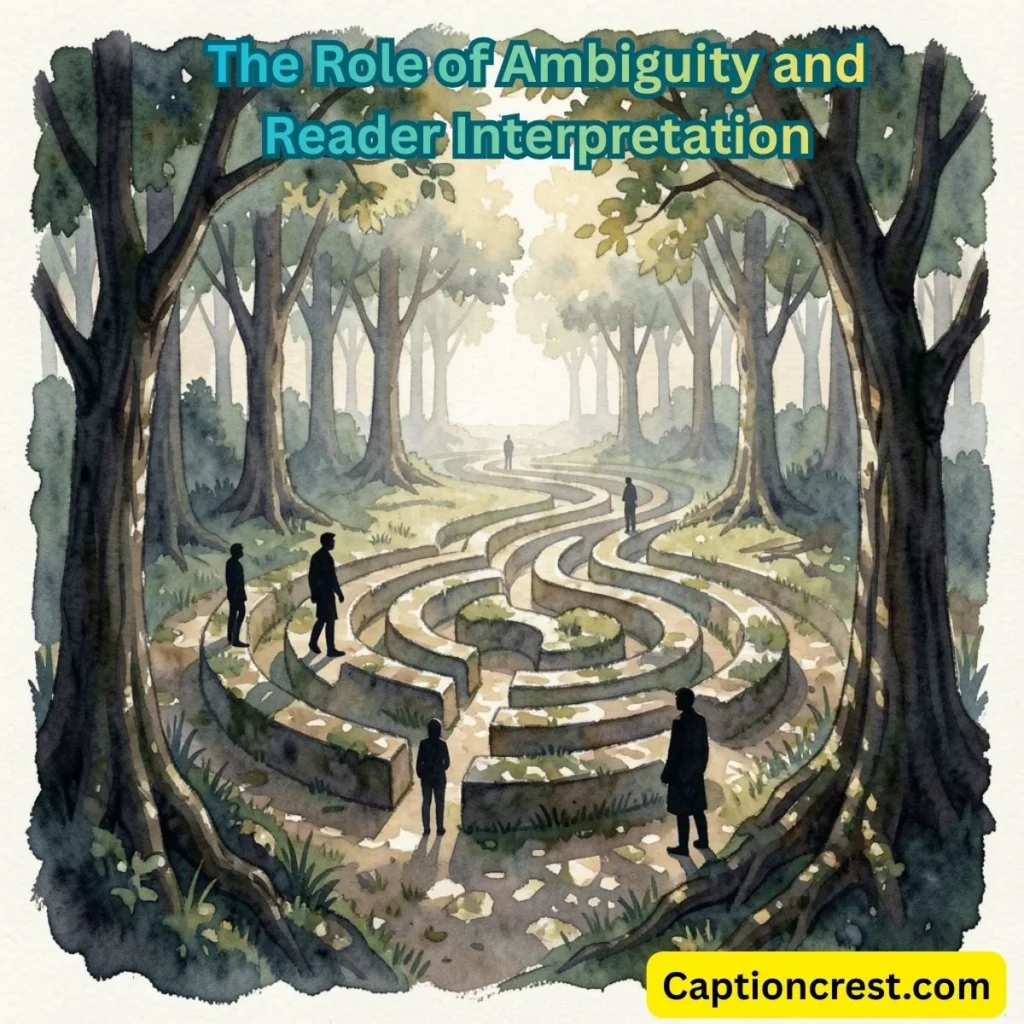
- Often crafted to be open-ended, allowing personalized mental imagery.
- The lack of explicit visual context forces imagination to engage.
- Metaphorical language allows for multiple layers of meaning.
- The reader’s own psyche becomes the primary canvas for the scene.
- Ambiguity about consent within the story can heighten tension.
- Unspecified details allow projection of personal fears and desires.
- The tone often carries more weight than the literal words used.
- Interpretation varies wildly based on the consumer’s own kinks.
- Some captions are designed to be paradoxical or thought-provoking.
- The space between the lines is where the personal fantasy builds.
- Allows exploration of themes one might reject if presented literally.
- Reader’s mood significantly alters the perceived meaning and impact.
- Can be read as horrifying, arousing, humorous, or absurd depending on view.
- The impersonal nature lets the idea exist as a pure concept.
- Serves as a Rorschach test for the consumer’s psychological landscape.
⚙️ The Mechanics of Fantasy Fulfillment
- Provides a safe narrative container for exploring extreme ideas.
- The textual format lowers barriers compared to visual or real-life acts.
- Allows for instantaneous scenario switching and variety sampling.
- Facilitates mental rehearsal of scenarios without real-world steps.
- Creates a feedback loop where the fantasy fuels desire for more content.
- The brevity offers a quick, concentrated dose of a specific theme.
- Enables identity tourism—experiencing a state without commitment.
- Serves as a cognitive primer for related role-play with a partner.
- Can act as a mental stimulant or catalyst for other sexual thoughts.
- Provides a sense of community through shared niche interest.
- Offers a controlled experience of fear and adrenaline from safety.
- Helps some individuals compartmentalize and manage certain urges.
- The collectible aspect of finding and saving captions is part of the appeal.
- Allows for perfection of the idea—the fantasy is always “just right.”
- Functions as a private, low-effort form of sexual or kink expression.
🔄 Contrast with Related Niche Caption Genres
- Less focused on physical description than body transformation captions.
- More psychological and outcome-oriented than process-oriented bondage captions.
- Darker and more permanent in tone than temporary chastity captions.
- More specific and extreme than general femdom or submission captions.
- Often more textual and less visual than sissification caption content.
- More symbolic and metaphorical than explicit medical fetish narratives.
- More focused on identity death than role-enforcement captions.
- More final and absolute than humiliation captions about temporary states.
- Often blends with other genres, creating unique hybrid expectations.
- Possesses a unique ceremonial gravity not always present in related kinks.
- The stakes within the narrative are framed as irrevocably high.
- Centers on a single, defining moment rather than an ongoing condition.
- The language tends towards the archaic or formal more than casual genres.
- Involves a deeper exploration of “why” beyond just the “what.”
- Often exists at the conceptual edge of what is discussable in the community.
FAQ Section
What exactly are “castration captions”?
They are short pieces of text, often paired with suggestive imagery, that explore themes of symbolic or fantasy emasculation, power exchange, and permanent transformation within consensual adult role-play contexts.
Is an interest in this content linked to a desire for real surgery?
Overwhelmingly, no. For the vast majority of consumers and creators, it is a purely psychological fantasy theme, distinct from real-world desires for gender-affirming medical procedures or any form of actual harm. It operates in the realm of symbolic narrative and thought experiment.
How do these captions relate to BDSM and kink ethics?
Ethically, they should always be contextualized within frameworks of consent, negotiation, and fantasy. They are a form of edge-play on a psychological level, and responsible communities emphasize clear boundaries, safety, and the distinction between fantasy and reality.
Why would someone find this type of content appealing?
The appeal is psychological and varies greatly. It can tap into fantasies about extreme power dynamics, total surrender, transformation, freedom from societal expectations, or the eroticization of fear and taboo in a controlled, safe environment.
Where is this type of content typically found?
It exists within niche online fetish communities, certain social media platforms with adult content allowances, specialized forums, and on the blogs or galleries of creators who focus on textual or caption-based kink content.
Conclusion
Castration captions, as we have explored, are far more than shocking phrases. They are a complex linguistic and psychological genre built on metaphor, power dynamics, and narrative fantasy. From their semantic roots to their cultural echoes, they serve as a potent tool for exploring deep-seated themes of identity, transformation, and surrender within a consensual, fictional framework. Understanding the multifaceted nature of this content—its construction, appeal, and ethical context—allows for a move beyond stigma and towards a more nuanced comprehension of this unique corner of human sexuality and expression.

Ava Lennox is a creative writer and digital storyteller with a passion for crafting meaningful captions and inspiring quotes. With years of experience in content writing and social expression, she specializes in turning emotions, moments, and everyday experiences into powerful words. Her work blends simplicity, depth, and relatability—making her one of the most-loved voices behind CaptionCrest.